
Tutorial de Como Fazer Humus Humano The Human Humus Fertilizer Tutorial
2022-ongoing, instalação Installation
Esculturas vivas que abrigam fungos, minhocas e bactérias, instalação. Cabelo Humano, serragem, baldes de plástico, argila, vídeo digital
Living systems sculptures populated by fungi, earthworms, and bacteria. Human hair, woodchips, plastic buckets, clay, digital video
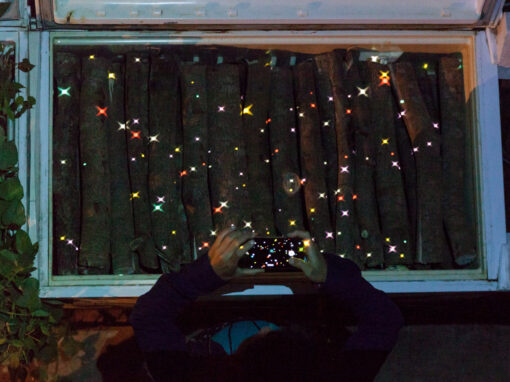
O Ciclo Queratinofílico (em progresso) é um projeto composto por diversas esculturas vivas que, dispostas instalativamente, narram diferentes maneiras de decompor queratina humana. Relações entre comida, solo e rituais de morte ganham forma numa série de trabalhos de arte que servem de abrigo para fungos e minhocas que microperformam produzindo composto para plantas usando cabelo humano como substrato. O trabalho especula se o ciclamento do nitrogênio presente em unhas e cabelos seria suficiente para evitar o uso de nitrogênio artificial na agricultura industrial, que causa eutroficação de rios e lagos. Ao se deparar com o Ciclo Queratinofílico, a audiência é encorajada a se ver como parte do ciclo de nutrientes do solo, a se ver como parte do humus.
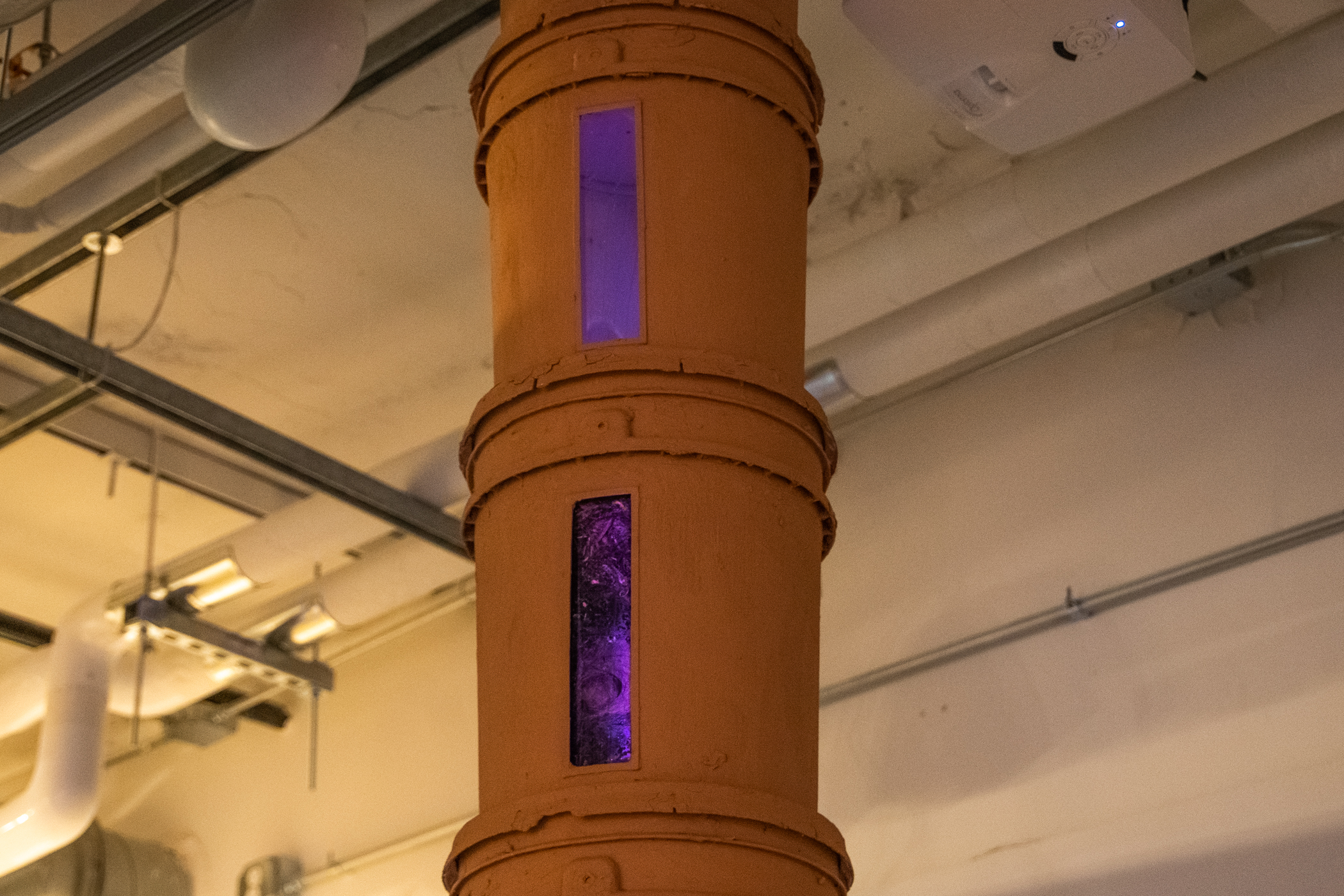
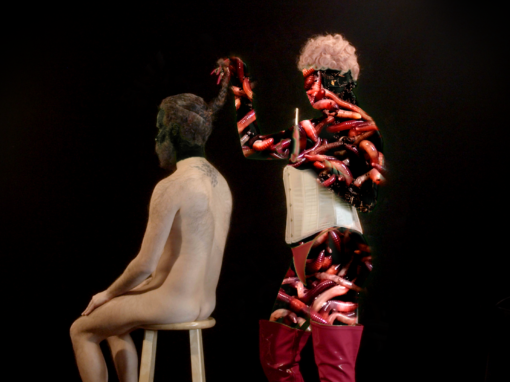
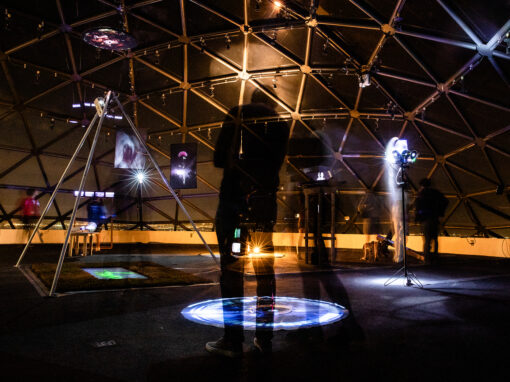
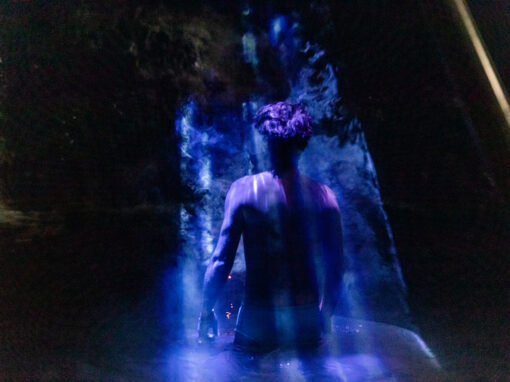
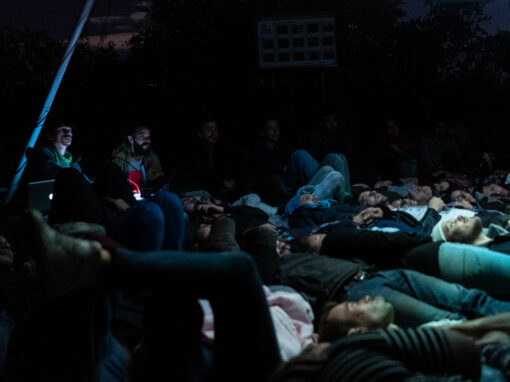
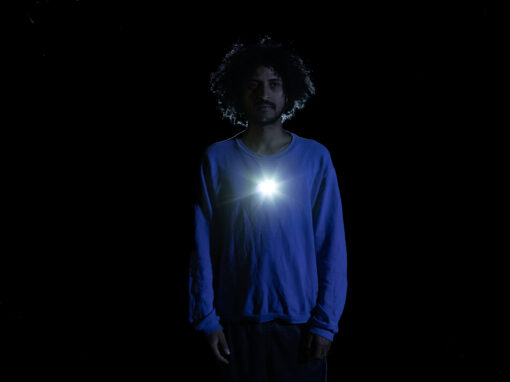
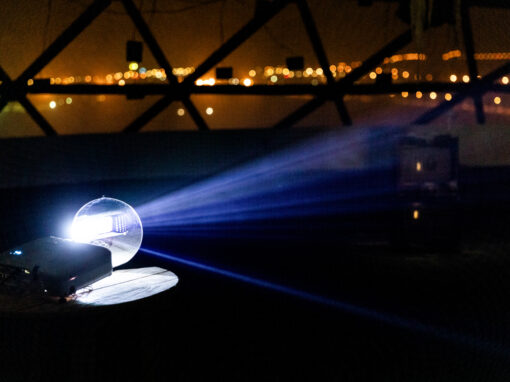
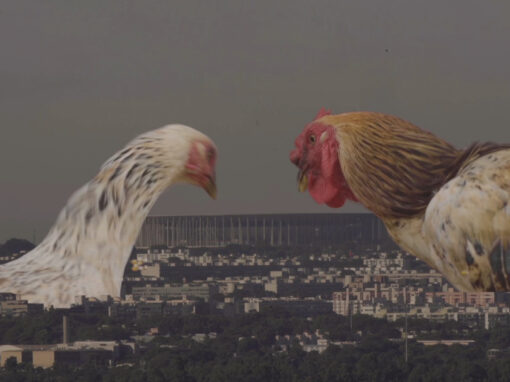
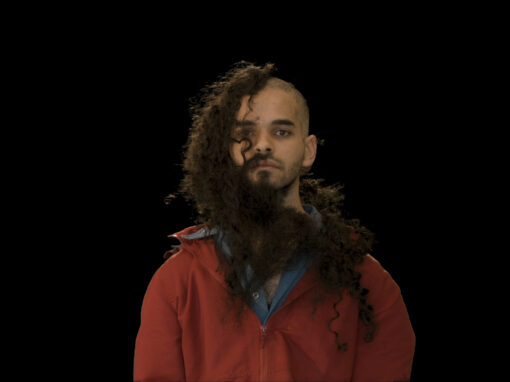
A primeira parte realizada deste projeto é o Tutorial de Como fazer Humus Humano, que trata de um vídeo educativo experimental. Aqueles que segue os passos ensinados por Celeste, uma Drag Queen minhoca, e narrados por Maurício, uma lontra, aprenderão a construir um minhocário e produzir fertilizante para plantas usando cabelo como um dos substratos.Neste trabalho, queeness é evocada no seu sentido literal: natureza é estranha e podemos aprender com isso. A antropormofização de animais é usado no video como uma ferramenta de engajamento, já que subverte a lógica de relegar o trabalho de produção de composto apenas às minhocas. Pelo contrário, Celeste convida cada um de nós a expandir nossa ideia do que significa ser humano, nos instigando a nos vermos como seres decompositores, numa cadeia simbiótica com bactérias, fungos e vermes. Nesta videoinstalação apresentada em 2022, o vídeo foi projetado na no mesmo espaço que um minhocário-escultura em forma de coluna de sustentação e garrafas de vidro com o humus humano foram distribuída. O composto líquido nas jarras continha o DNA de centenas estudantes da SAIC que doaram cabelo e unhas para o projeto.
The Keratinophilia Cycle is an ongoing project that includes several sculptures and living installations that narrate different ways of breaking down human keratin. Relationships between food production, soil agency, and rituals of death take form in a set of works that feature fungi and worm farms producing compost for plants using human hair, growing food as a consequence. The work addresses the effects of the massive use of artificial nitrogen in industrial agriculture since animal hair and nails are rich in nitrogen. The audience will be encouraged to see themselves as part of the soil’s nutrient cycle, to see themselves as part of the humus.
The first completed part of this project is The Human Humus Fertilizer Tutorial, an experimental educational video. Those who follow the steps taught by Celeste, an earthworm-drag queen, and narrated by Maurício, an otter, will learn to build a worm farm and produce fertilizer for plants using hair as one of the substrates. Queerness is evoked in its literal sense: nature is strange, and we can learn from it. The anthropomorphization of animals is used in the video as a tool of engagement, as it subverts the logic of relegating the work of producing compost only to the earthworms. On the contrary, Celeste invites each of us to expand our idea of what it means to be human, to see ourselves as decomposer beings, in a symbiotic chain with bacteria, fungi, and earthworms. In its video installation version presented in 2022, the video is projected in the same space of a worm farm shaped like a column supporting the gallery ceiling, and glass jars filled with the human-humus were distributed. The liquid compost inside the jars contained the DNA of a hundred SAIC students and staff members who donated hair and nail samples to the project.








![TERRA[CAP]](https://www.mauriciochades.com/wp-content/uploads/2020/07/PirâmideUrubuJanineMoraes65-510x382.jpg)




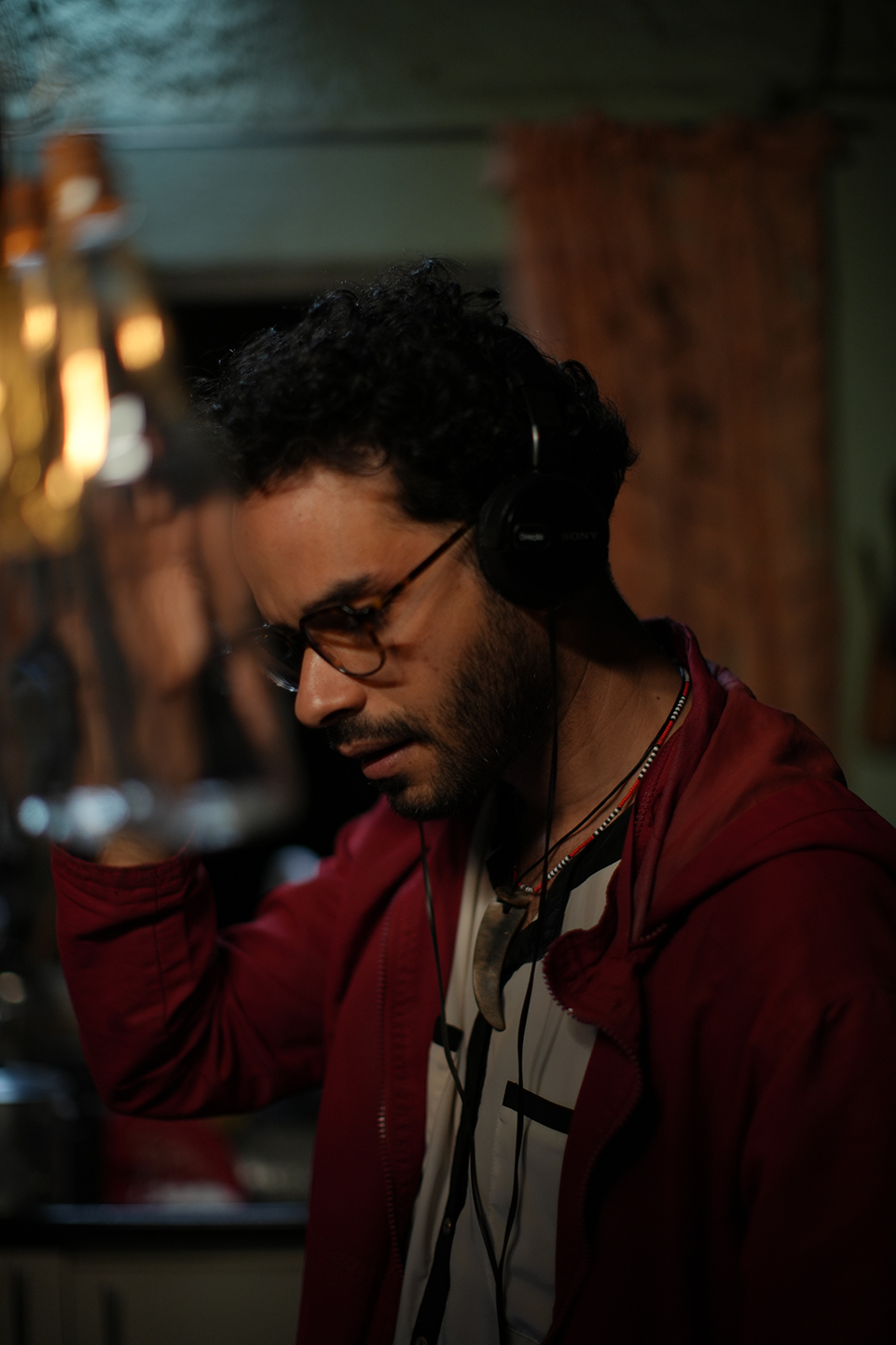
Maurício Chades (Gilbués-PI, 1991) é artista visual e cineasta, cuja prática transita entre cinema e instalação. Atuando entre o Centro-Oeste brasileiro e Los Angeles, Chades investiga ecologias queer, imaginários anticoloniais e alianças multiespécies que confrontam lógicas extrativistas de território, tempo e morte. Seu trabalho articula fabulação especulativa e ecologia crítica, frequentemente partindo de imersões territoriais para entrelaçar memórias locais a sistemas ambientais.
Mestre em Arte e Tecnologia pela UnB e MFA pela School of the Art Institute of Chicago, integrou coletivos como o NINHO, focado em arte e agroecologia. Sua produção tem circulado em importantes eventos nacionais e internacional, incluindo a Bienal Sesc_Videobrasil, o Queer Lisboa e o FILE.
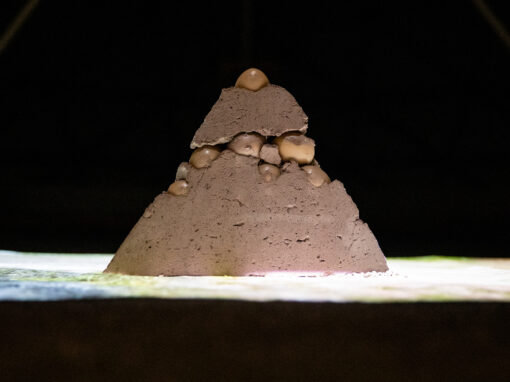
Em 2019, realizou a individual Pirâmide, Urubu, obra premiada com o Frankenthaler Climate Art Award (2022). Seus filmes acumulam distinções em festivais como o e-flux Film Award, Olhar de Cinema e Curta Cinema. Em 2024, foi um dos artistas indicados ao Prêmio PIPA. Atualmente, finaliza seu primeiro longa-metragem, COGUM, um eco-horror que explora a decomposição e o luto como chaves para repensar o trabalho, a ancestralidade e o pertencimento à terra.
Maurício Chades (b. 1991, Gilbués, Brazil) is a visual artist and filmmaker whose practice spans cinema and installation. Currently based between the Brazilian Midwest and Los Angeles, Chades explores queer ecologies, decolonial imaginaries, and multispecies relationships that challenge extractive perspectives on territory, time, and mortality. By weaving together speculative fabulation and critical ecology, his projects often emerge from deep territorial immersions, linking local oral histories with broader environmental systems.
Chades holds an MFA from the School of the Art Institute of Chicago and an MA in Art and Technology from the University of Brasília. His work has been exhibited internationally at venues such as the Sesc_Videobrasil Biennial, Queer Lisboa, and FILE (Electronic Language International Festival).
In 2019, he presented his solo exhibition, Pirâmide, Urubu, which received the Frankenthaler Climate Art Award in 2022. His short films have earned accolades from the e-flux Film Award, Curitiba International Film Festival, and Rio de Janeiro International Short Film Festival. A 2024 Pipa Prize nominee, he is currently in post-production for his debut feature film, COGUM, an eco-horror centered on decomposition and interrupted grief as frameworks to reimagine labor, ancestry, and human ties to the land.