
TERRA[CAP]
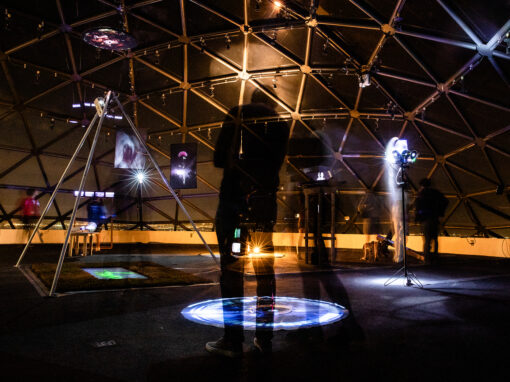
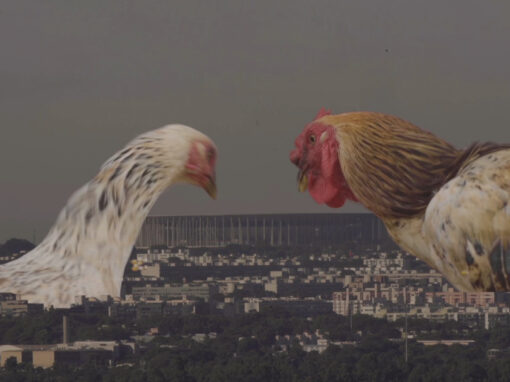
2019, Videoinstalação Video installation
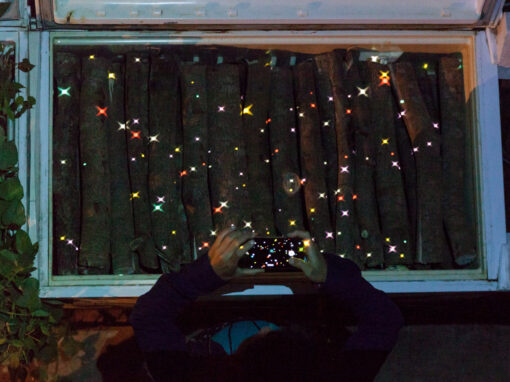
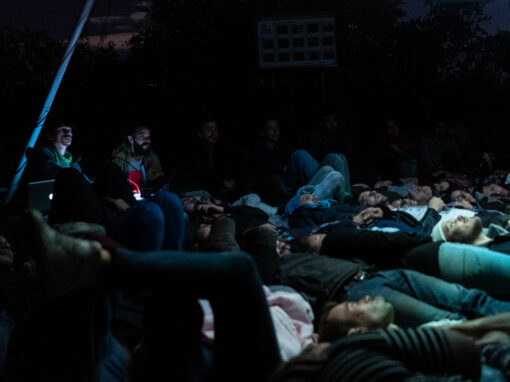
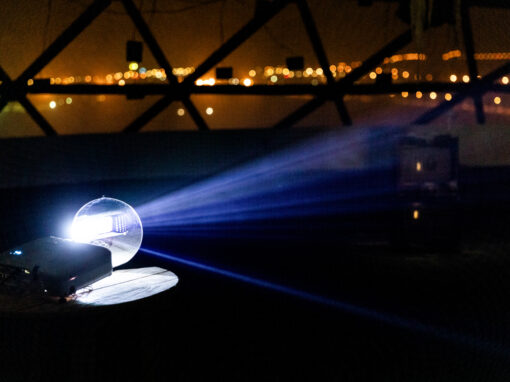
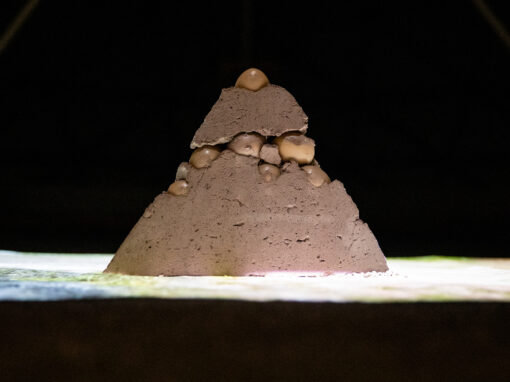
Tronco, mourão de concreto, projeção mapeada, media player
Tree trunk, concrete fence posts, mapped projection, media player
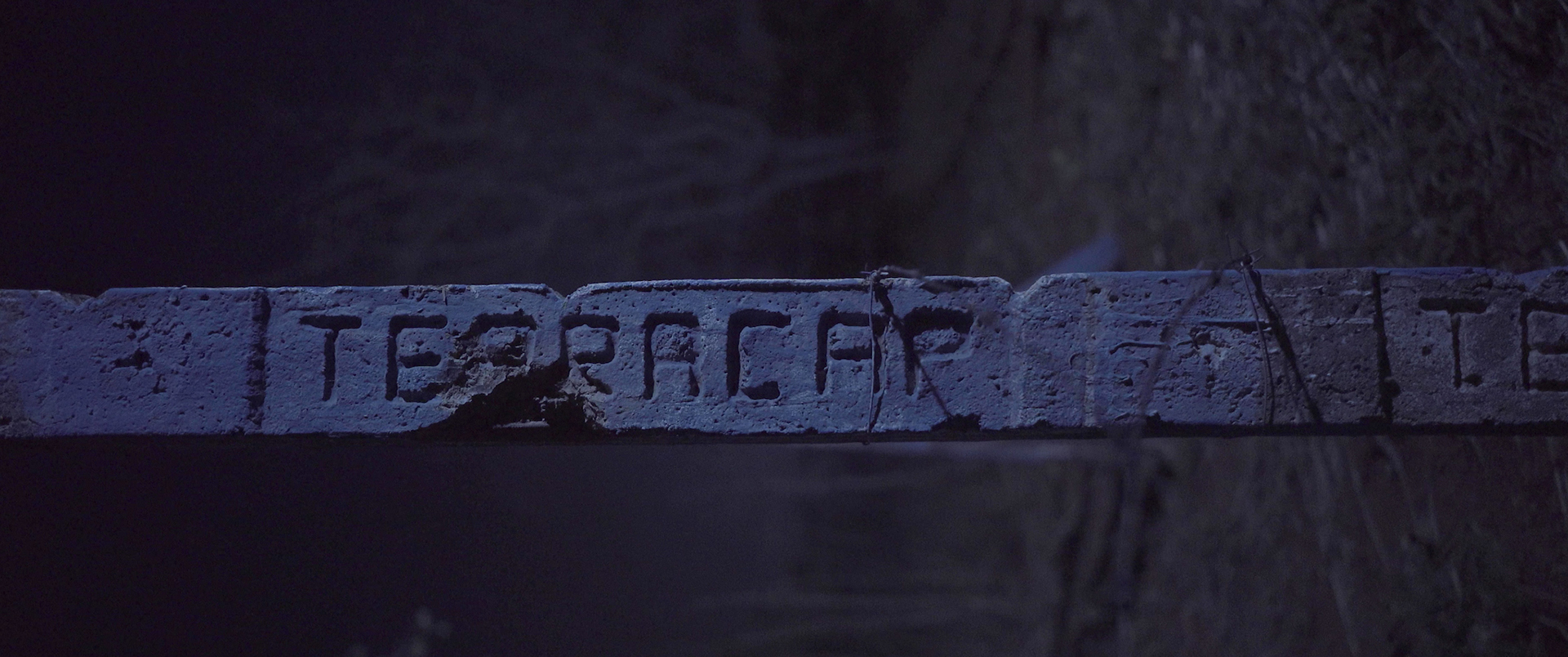
Morando na Serrinha do Paranoá por anos que percebi os conflitos territoriais entre governo e a população local. As terras aqui têm a posse requisitada por três instâncias: o governo do Distrito Federal, representado pela empresa pública TERRACAP, diz ser dono da terra; o Governo Federal diz que as terras pertencem à União; e o morador, que ocupou, construiu e plantou, também briga pela posse. Já fazia parte da minha realidade ter o percurso de ciclista e pedestre delimitado não só pelo quintal dos vizinhos, mas principalmente por arame farpado e mourões de concreto com a palavra TERRACAP gravada. Quando o caminho estava desimpedido é porque esses mourões estavam derrubados no chão, destruídos a marretadas.
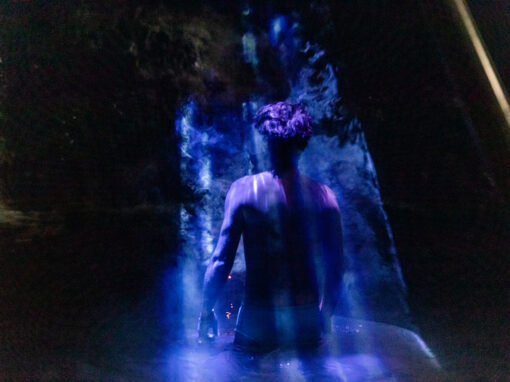
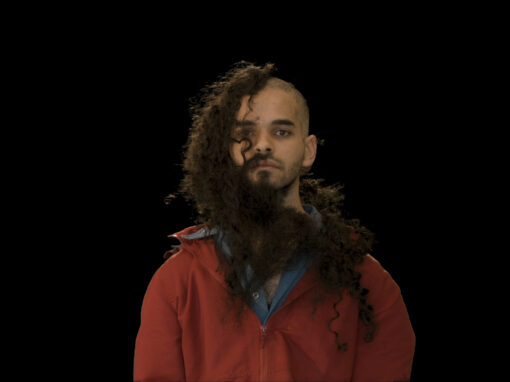
TERRA[CAP] surge como uma performance para vídeo em que meu vizinho indígena Gabriel, que também participa do elenco do filme JUCA, repete o gesto praticado por muitos moradores da Serrinha do Paranoá. Derrubar esses mourões é resistir à tragédia declarada pela especulação imobiliária, que já fez a cidade crescer desordenadamente para a região sul e que agora aponta o desejo de trazer empreendimentos imobiliários para a região norte.
After living in Serrinha do Paranoá for years, I realized the territorial conflicts between the government and the local population. The ownership of the land here is claimed by three parties: the Distrito Federal government, represented by the public company TERRACAP, who declares they own the land; the Federal Government who says the land belongs to the Federal Union; and the resident, who occupied, built and planted, also fights for the ownership. It was already part of my reality in Urubu to have my cycling and pedestrian path being delimited not only by the neighbors’ yard, but mainly by barbed wire and concrete posts with the word TERRACAP engraved on them. When the path was cleared, it was because these posts were knocked down, destroyed by striking.
TERRA[CAP] emerges as a video performance in which my indigenous neighbor Gabriel, who is also part of the cast of the film JUCA, reproduces the action practiced by many residents of Serrinha do Paranoá. To take down these posts is to resist the tragedy declared by real estate speculation, which has already encouraged the disorganized growing of the city to the southern region and now indicates the desire to bring real estate developments to the northern region.






![TERRA[CAP]](https://www.mauriciochades.com/wp-content/uploads/2020/07/PirâmideUrubuJanineMoraes65-510x382.jpg)




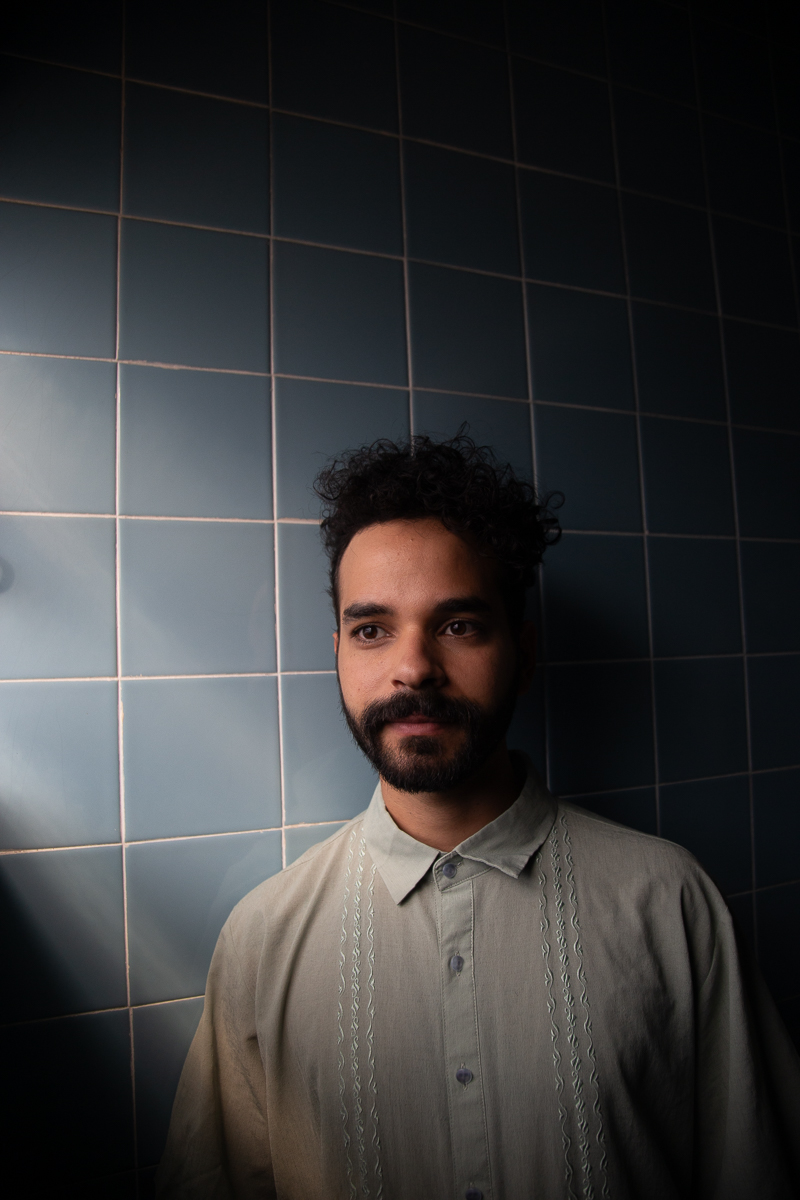
Maurício Chades (Gilbués-PI, 1991) é artista visual e cineasta, cuja prática transita entre cinema e instalação. Atuando entre o Centro-Oeste brasileiro e Los Angeles, Chades investiga ecologias queer, imaginários anticoloniais e alianças multiespécies que confrontam lógicas extrativistas de território, tempo e morte. Seu trabalho articula fabulação especulativa e ecologia crítica, frequentemente partindo de imersões territoriais para entrelaçar conhecimento situado a sistemas ambientais.
Mestre em Arte e Tecnologia pela UnB e MFA pela School of the Art Institute of Chicago, integrou coletivos como o NINHO, focado em arte e agroecologia. Sua produção tem circulado em importantes eventos nacionais e internacionais, incluindo a Bienal Sesc_Videobrasil, o Queer Lisboa e o FILE.
Em 2019, realizou a individual Pirâmide, Urubu, exposição premiada com o Frankenthaler Climate Art Award (2022). Seus filmes acumulam distinções em festivais como o e-flux Film Award, Olhar de Cinema e Curta Cinema. Em 2024, foi um dos artistas indicados ao Prêmio PIPA. Atualmente, finaliza seu primeiro longa-metragem, COGUM, um eco-horror que explora a decomposição e o luto como chaves para repensar o trabalho, a ancestralidade e o pertencimento à terra.
Maurício Chades (b. 1991, Gilbués, Brazil) is a visual artist and filmmaker whose practice spans cinema and installation. Currently based between the Brazilian Cerrado and Los Angeles, Chades explores queer ecologies, anticolonial imaginaries, and multispecies relationships that challenge extractive perspectives on territory, time, and mortality. By weaving together speculative fabulation and critical ecology, his projects often emerge from deep territorial immersions, linking situated knowledge with broader environmental systems.
Chades holds an MFA from the School of the Art Institute of Chicago and an MA in Art and Technology from the University of Brasília. His work has been exhibited internationally at venues such as the Sesc_Videobrasil Biennial, Queer Lisboa, and FILE (Electronic Language International Festival).
In 2019, he presented his solo exhibition, Pirâmide, Urubu, which received the Frankenthaler Climate Art Award in 2022. His short films have earned accolades from the e-flux Film Award, Curitiba International Film Festival, and Rio de Janeiro International Short Film Festival. A 2024 Pipa Prize nominee, he is currently in post-production for his debut feature film, COGUM, an eco-horror centered on decomposition and interrupted grief as frameworks to reimagine labor, ancestry, and human ties to the land.